
The Future of Montenegro’s Property Market: 2026–2029 and Beyond
Montenegro’s Real Estate Future: Montenegro real estate sector is rapidly evolving from a regional gem into a more stable, internationally recognised investment destination. Over the past decade, the market has seen robust price growth, surging foreign investment and increasing global buyer interest — trends that are set to continue as the country moves closer to European Union (EU) membership. For property buyers and investors alike, understanding how these dynamics will shape the next three years — and what the longer-term implications of EU accession might be — is essential.
Strong Growth Backdrop: Prices, Demand, and Foreign Investment
Montenegro’s property market has experienced remarkable value appreciation in recent years. According to official housing statistics, the average price per square metre in newly built residential property more than doubled between 2020 and early 2025, rising from around €951 to over €2,150 per square metre — a 126% increase in five years.
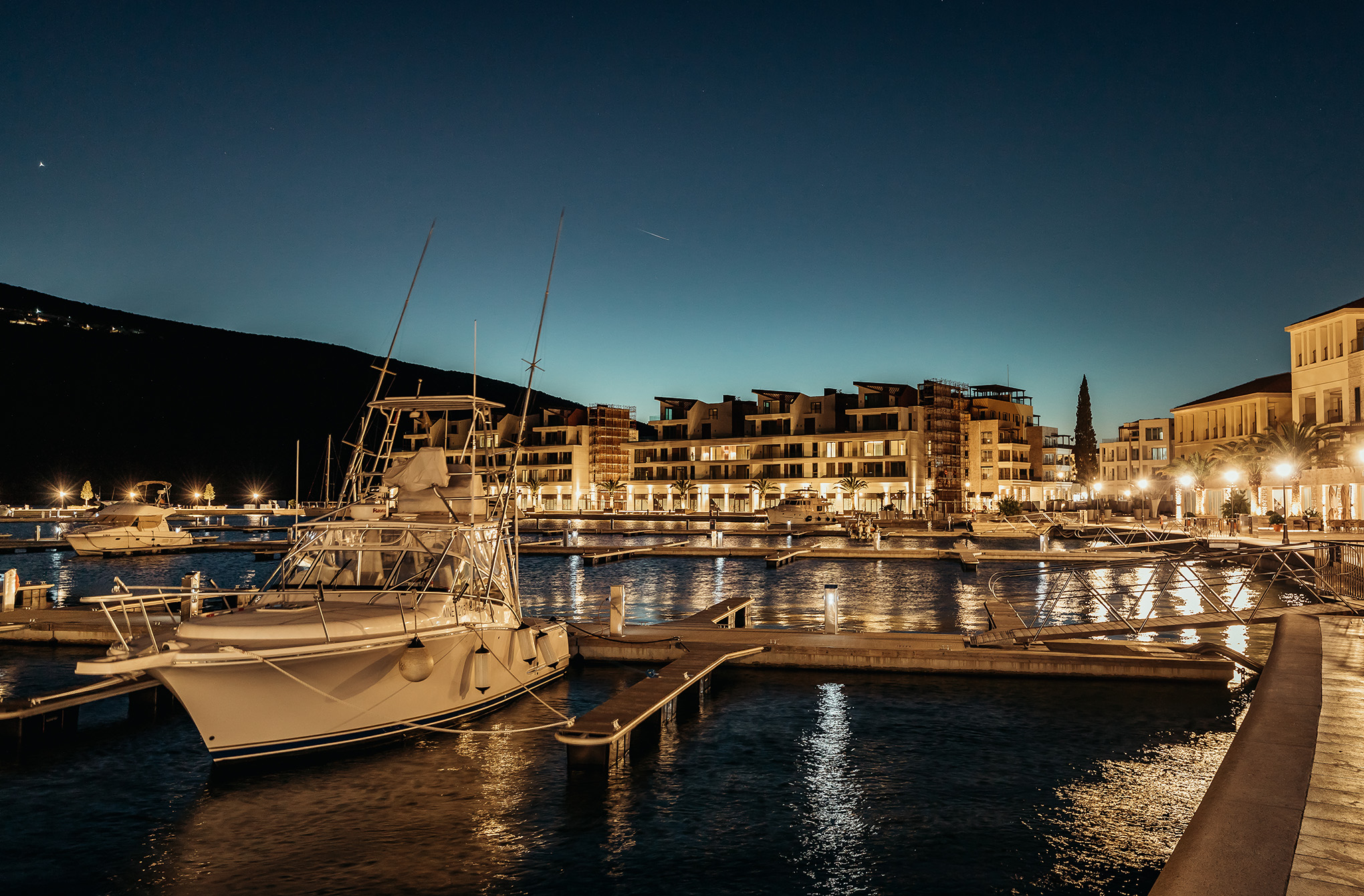
Coastal regions such as Budva, Kotor and Tivat remain the dominant drivers of this growth:
- Coastal luxury locations often command premium rates well above inland averages.
- In prime coastal municipalities, prices frequently range from €3,000 to €5,000+ per m².
- High-end developments in places like Porto Montenegro or Luštica Bay can exceed these figures.
This price growth reflects strong demand matched against limited supply, particularly for quality coastal and branded residential developments.
Foreign investment continues to play an outsized role in Montenegro’s market — not just economically but socially. According to recent real-estate reports, foreign nationals invested tens of millions in Montenegrin property in 2025, with inflows up significantly from prior years.
Forecast: 2026–2029 — A Phase of Maturation and Stable Returns
Analysts project steady, moderate property price growth of around 5–7% annually over the next few years — a pattern expected to continue through at least 2029. Here’s how the next phase is likely to unfold:
1. More Balanced Growth
While the coastal luxury segment will continue to appreciate due to scarcity, inland cities — particularly Podgorica and Nikšić — are expected to post more stable, affordable gains. This broadens entry points for value-focused buyers and investors.
2. Rising Demand for Rental Income
Montenegro’s strong tourism engine — which contributes around 20–25% of GDP — directly supports rental property demand. With reliable seasonal and long-term rental occupancy, rental yields in key urban and coastal hotspots remain attractive for investors prioritising cash flow.
3. Shift Toward year-round Living and Remote Work Appeal
Increasing interest from remote workers, digital nomads and expatriates has added a new layer of demand beyond pure tourism-driven rentals. This trend supports demand for well-located properties with year-round utility.
4. Market Maturity and Reduced Speculation
After years of rapid, sometimes uneven growth, Montenegro’s real estate market is entering a more mature phase. Instead of speculative price spikes, future gains will be driven by fundamentals: rental income, infrastructure improvements, and foreign buyer confidence.
EU Accession: A Structural Game-Changer
Montenegro’s long-standing ambition to join the EU — with expectations of full membership potentially by 2028 — is one of the most significant structural factors likely to influence the property market over the next decade.
1. More Confidence, Lower Risk, Higher Valuations
EU accession typically reduces sovereign and legal risk in the eyes of institutional investors. Historical experience from other accession countries suggests risk premiums compress by 150–300 basis points, which can translate into significant property valuation uplifts over a 5–7-year period.
For example, a €10 million income-producing asset could see €2–3 million in value uplift just from risk revaluation — even without rental revenue increases.
2. Regulatory Harmonisation and Building Standards
EU harmonisation will bring stricter planning, zoning, environmental and construction quality norms. While this may slow informal or speculative building activity, it will raise overall market quality and investor confidence, attracting institutional capital that may have previously avoided Montenegro due to perceived regulatory gaps.
3. Mortgage and Financial Market Integration
As legal frameworks and banking regulations align with EU norms, mortgage markets are expected to become more accessible and predictable. Easier financing can broaden the buyer base to include EU citizens and institutional investors — further supporting sustainable demand.
Important Considerations for Investors
While the outlook is broadly positive, key risks and challenges should be measured:
- Affordability pressures are already a reality in many coastal markets, particularly for local buyers, which could moderate demand at the very high end.
- Construction cost inflation may continue due to labour and materials pressures.
- Regulatory implementation consistency will be crucial. Delays in land registers, permits or property taxation reforms can dampen investor confidence.
Conclusion: A Compelling Market with Long-Term Appeal
Montenegro’s property market is at an inflection point: while price growth may moderate compared to the rapid gains of the early 2020s, the next three years (and beyond) promise steady appreciation, stronger structural foundations, and enhanced attractiveness for both lifestyle and investment buyers.
With the country’s progress toward EU accession, improved regulatory transparency, rising foreign investment, and continued tourism-driven demand, Montenegro is positioned to become one of Europe’s most compelling real estate markets — particularly for those with a medium- to long-term investment horizon.
Contact us for real estate options to secure your next home in Montenegro.

Join The Discussion